 In Focus
A political storm is brewing in the Sunshine State
Justin Sung examines whether shifting Hispanic support and competitive statewide campaigns could create an opening for Florida Democrats in the 2026 midterms.
 A student-runIn Focus
Justin Sung examines whether shifting Hispanic support and competitive statewide campaigns could create an opening for Florida Democrats in the 2026 midterms.

Julian Kusnierz examines Ken Paxton’s refusal to debate James Talarico and what the decline of political debates means for voters.
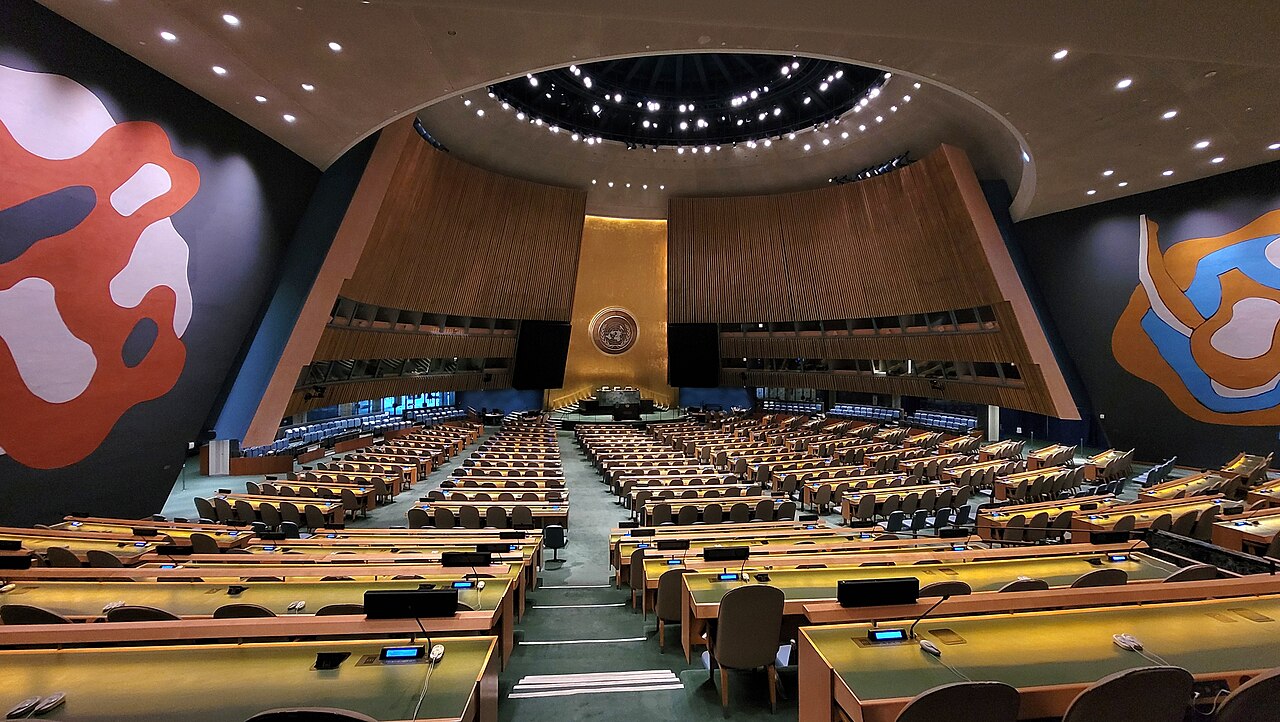
African leaders are demanding permanent Security Council seats. Their campaign tests whether economic and diplomatic influence can become institutional power.

The United States is now blockading Iran's blockade, though its effectiveness remains uncertain. With both nations blocking access, the strait remains functionally closed for everyone.
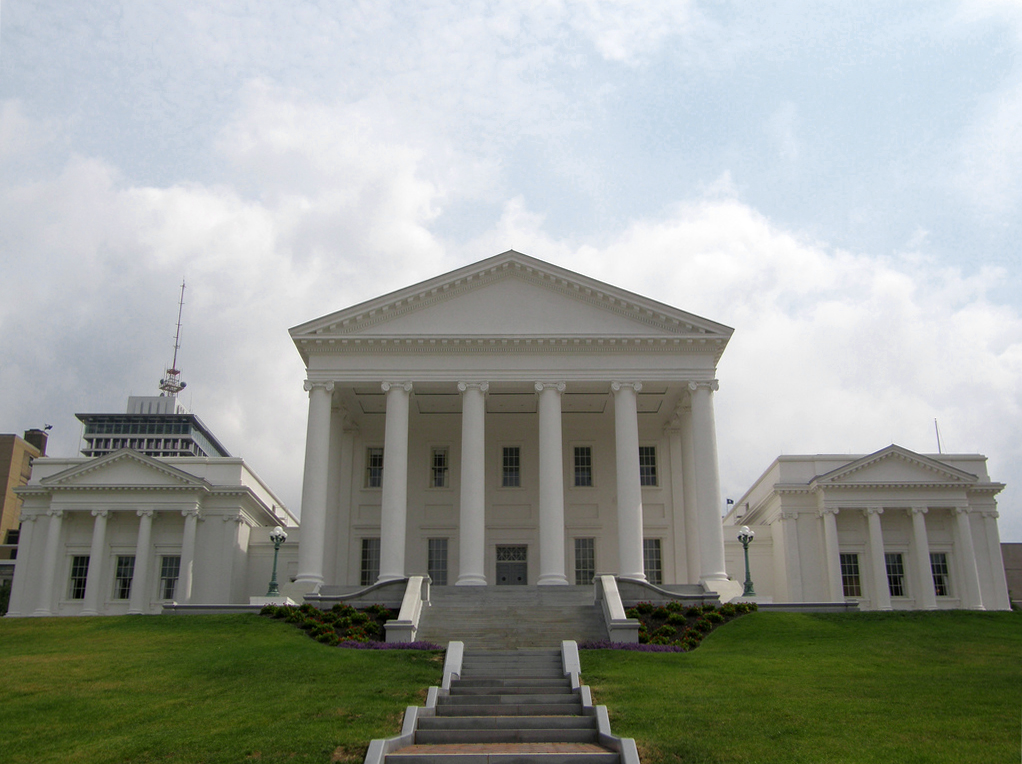
The intra-party clash between Virginia Democrats over the sales and use tax exemption incentivizing the construction of artificial intelligence data centers exposes a party-split between pro-business advocates and lawmakers apprehensive about rising residential energy prices.
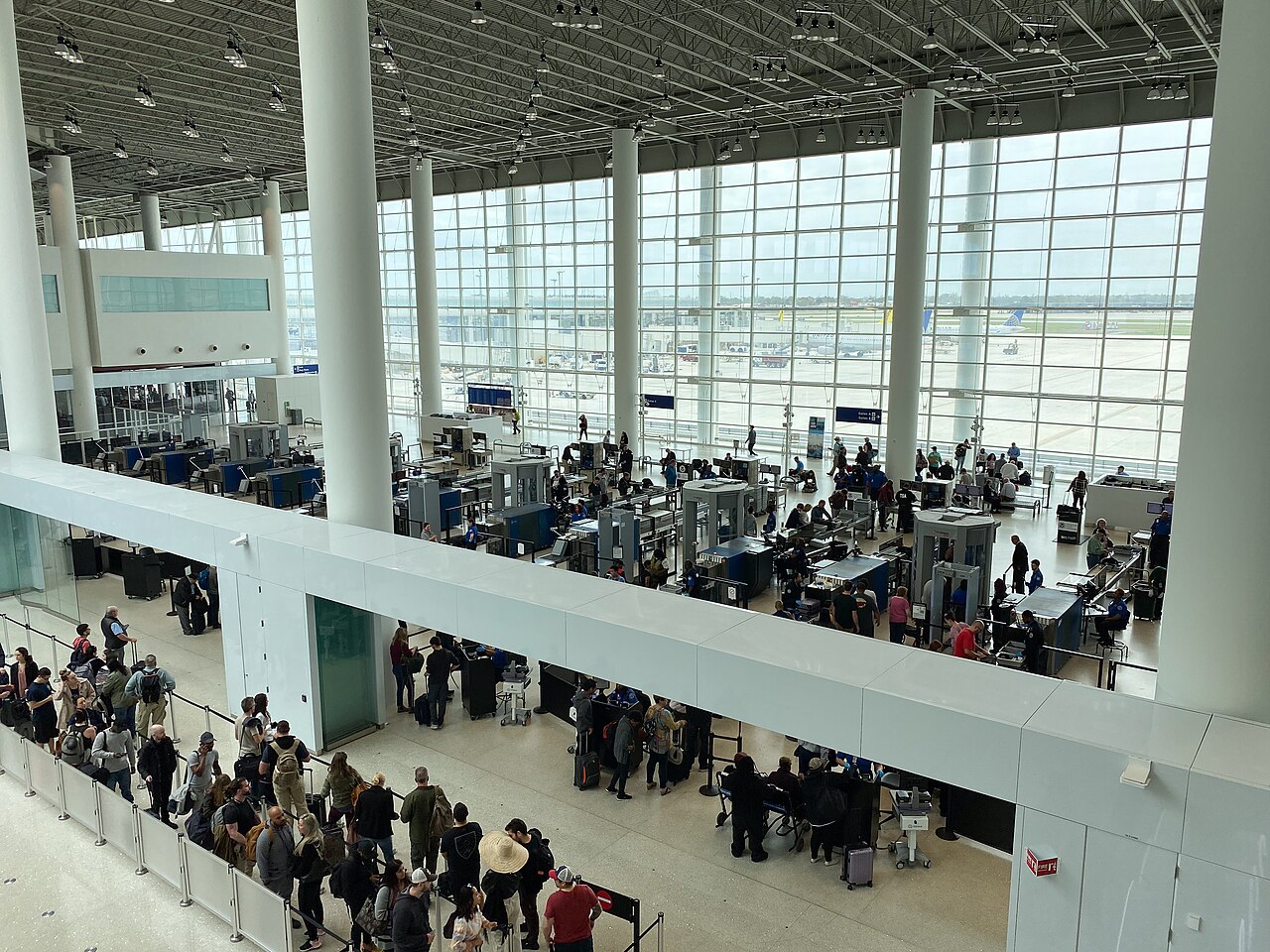
As funding for TSA workers lapsed, the Trump Administration sent ICE to airport security lines to assist with excruciatingly long wait times. Was it a legitimate quick fix, or a further burden?
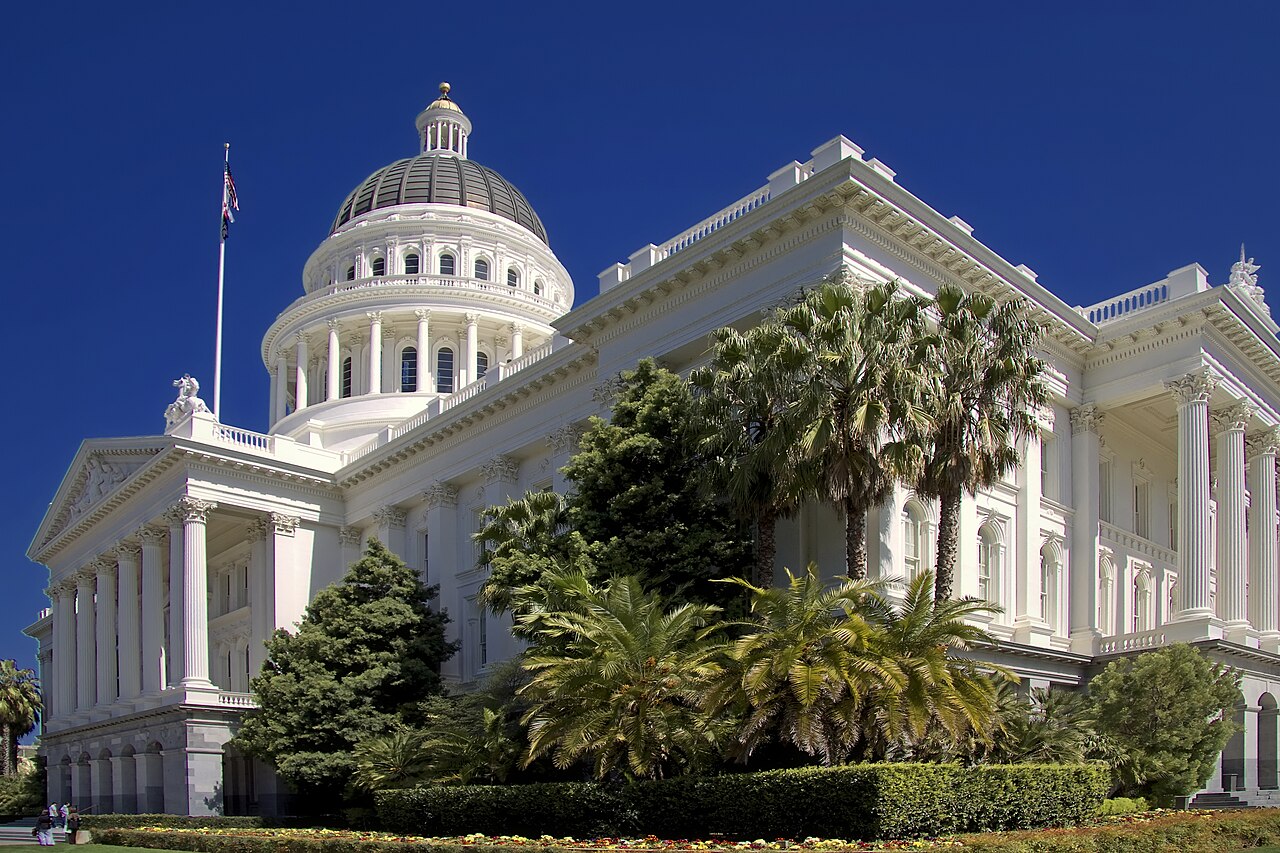
Long known as a Democratic stronghold, California is on the verge of its first Republican governor in nearly 15 years. With incumbent Governor Gavin Newsom restricted by term limits and no clear replacement in line, California Democrats have a crowded field of candidates vying for the position.
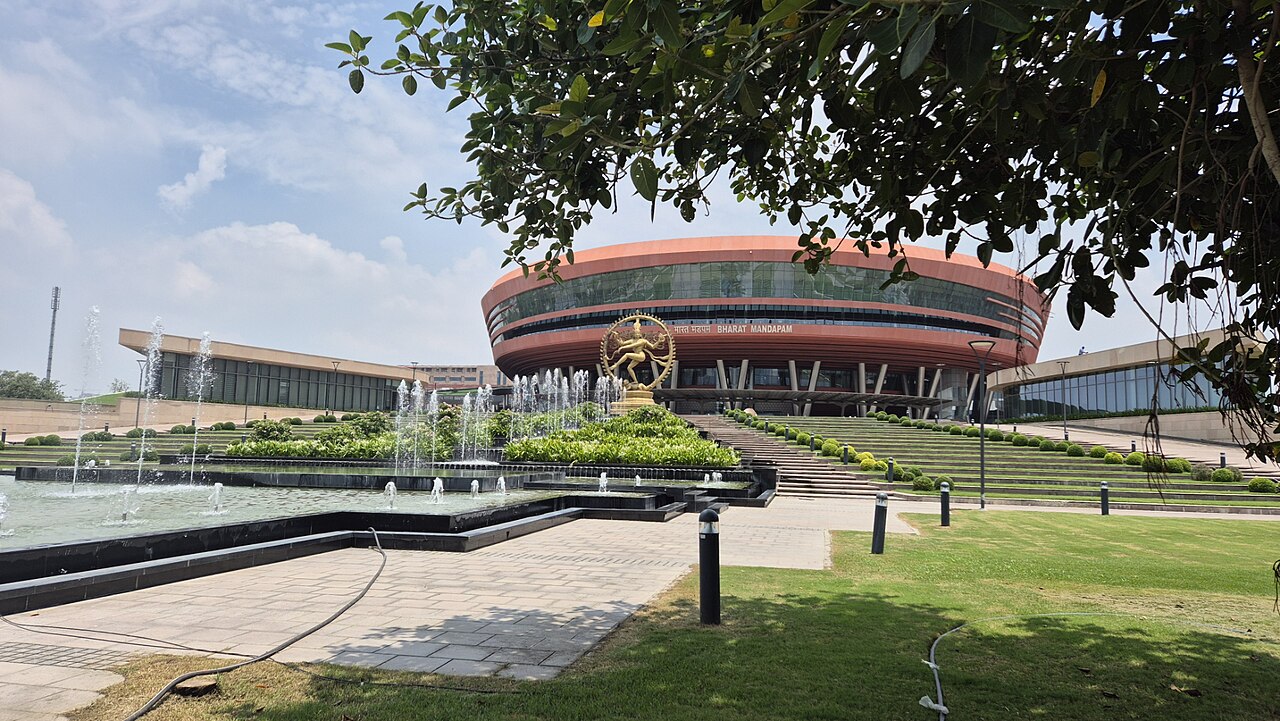
In mid-February 2026, India hosted what may become one of the most consequential AI summits in recent memory, drawing heads of state and tech CEOs from over 100 countries.
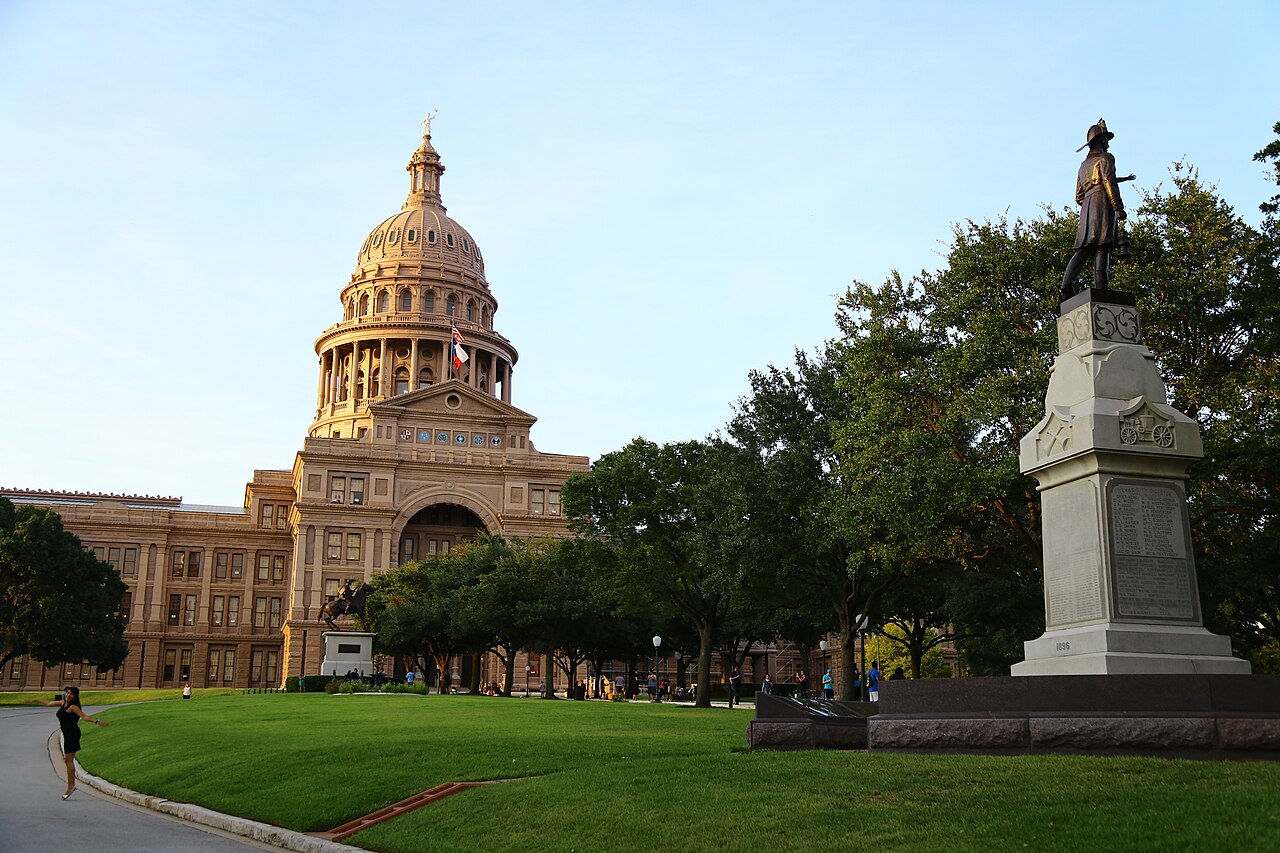
As the Senate run-off race approaches, the Texas race has become a broader symbol of division within the Republican Party and a struggle for Democrats to define their candidate.
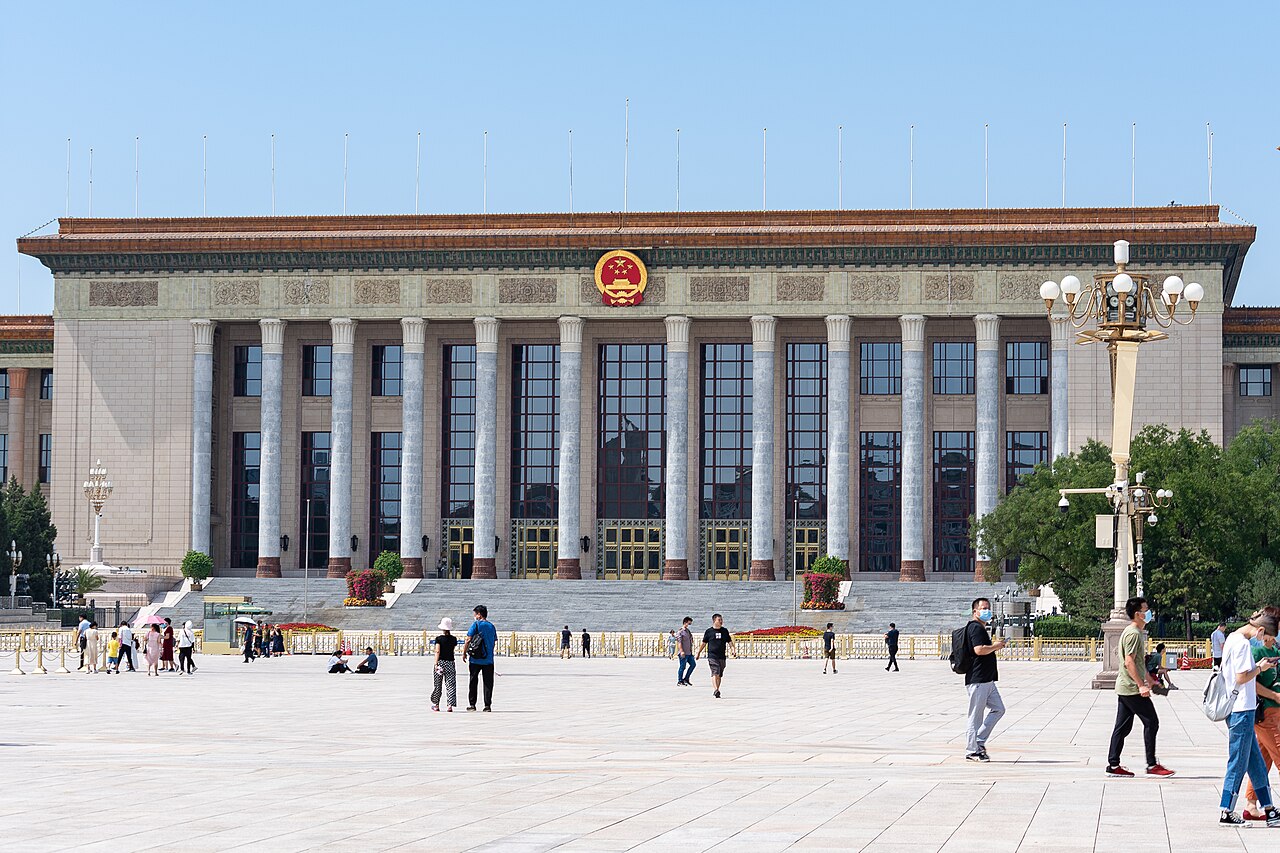
The 2026 National Two Sessions in Beijing revealed growing ambition among China's leadership to rebalance the economy through stronger redistribution and consumption.

Following a joint US-Israel military operation against Iranian targets, crude prices surged as the Strait of Hormuz was blocked — hitting Asian nations hardest.

The March 17 Illinois primary elections reflected competing influences — past political figures and future directions — while exposing ideological rifts within the Democratic Party.

Despite the IOC's commitment to neutrality, the Milano Cortina 2026 Games demonstrated that the Olympics inevitably reflect global political tensions.
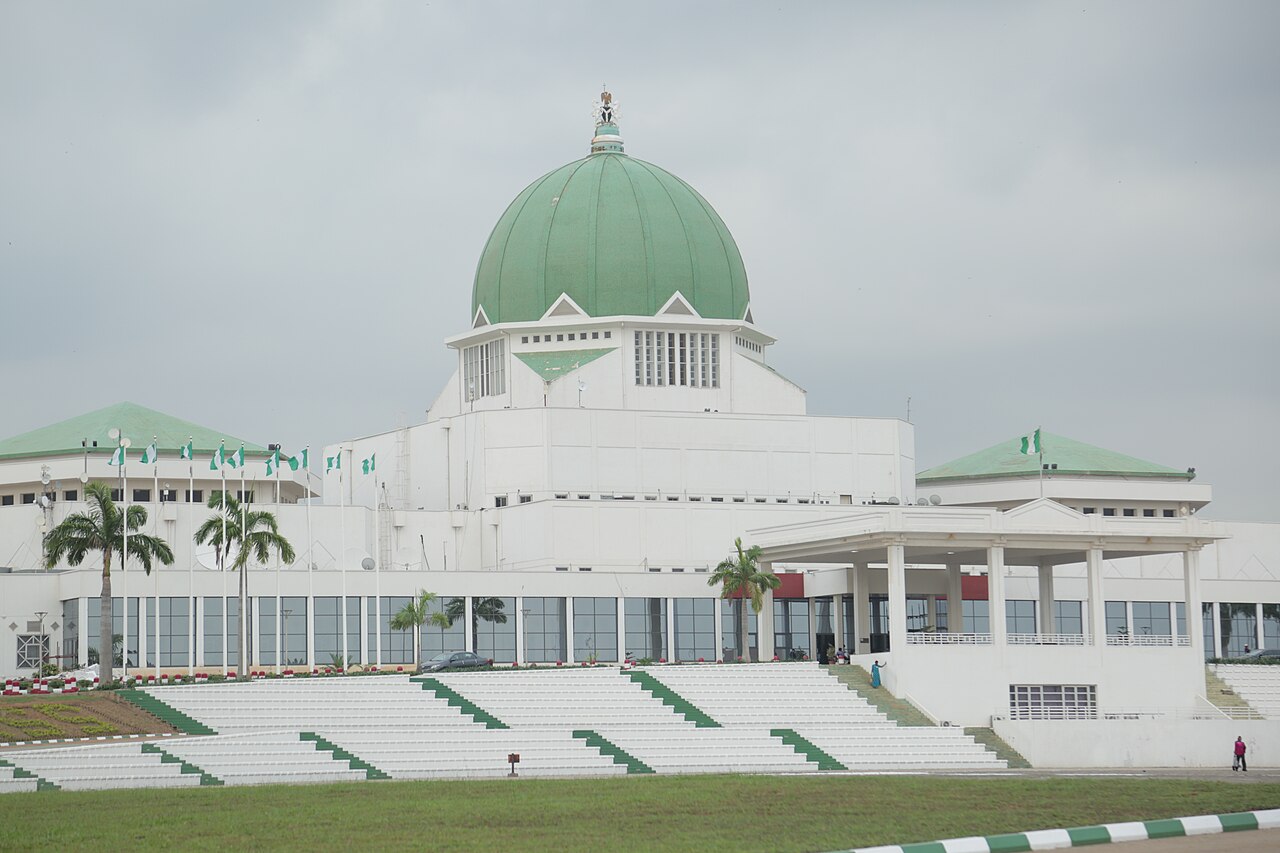
The evolving U.S.-Nigeria relationship reveals a new model of flexible, sector-specific diplomacy that prioritizes independence over institutional commitments.
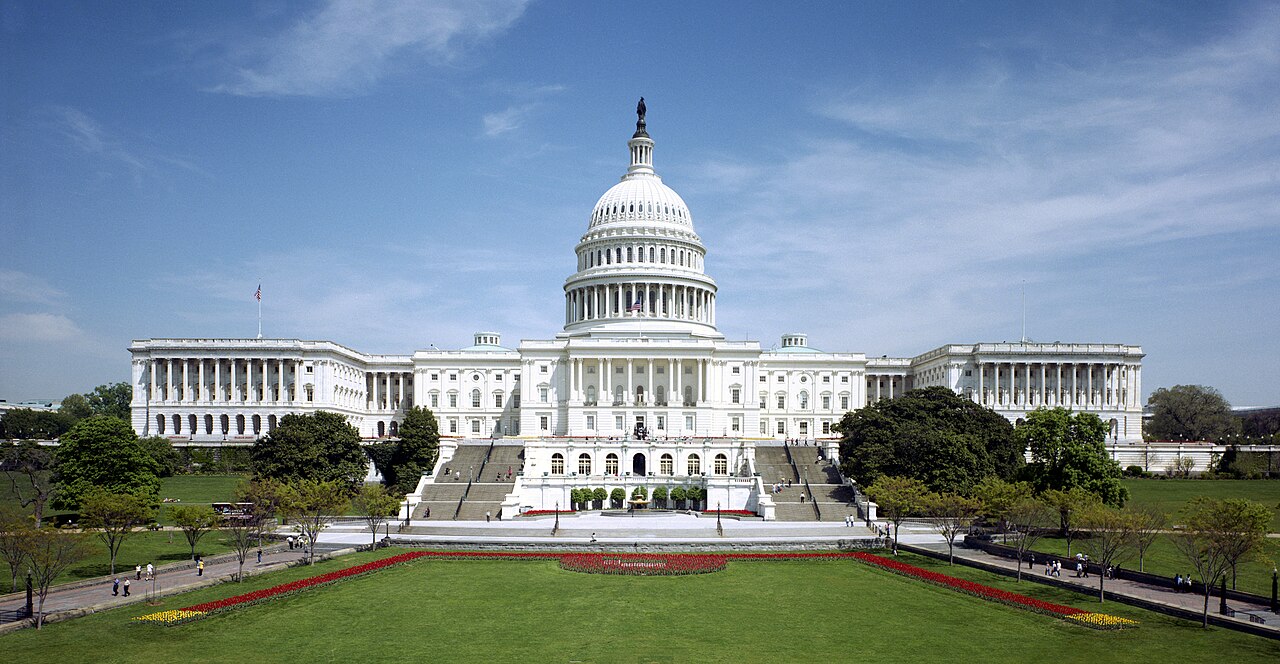
President Donald Trump delivered a record-long State of the Union speech lasting 1 hour and 48 minutes, touting his economic achievements and immigration enforcement efforts amidst partisan tensions.

The Kuala Lumpur Peace Accord proved fragile as unresolved border disputes and coercive diplomacy undermined trust between Thailand and Cambodia.
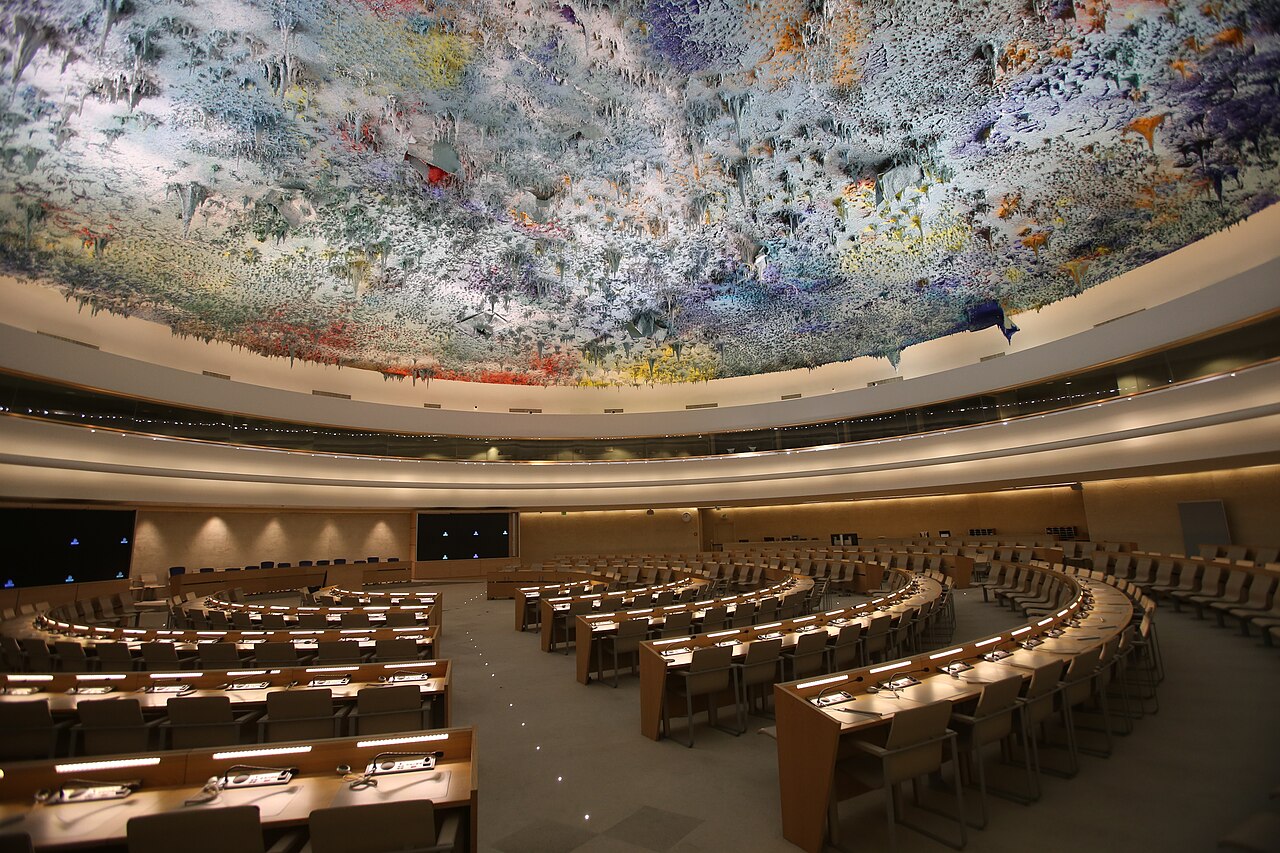
America's absence from its scheduled UN review reveals systemic vulnerabilities in international human rights accountability.
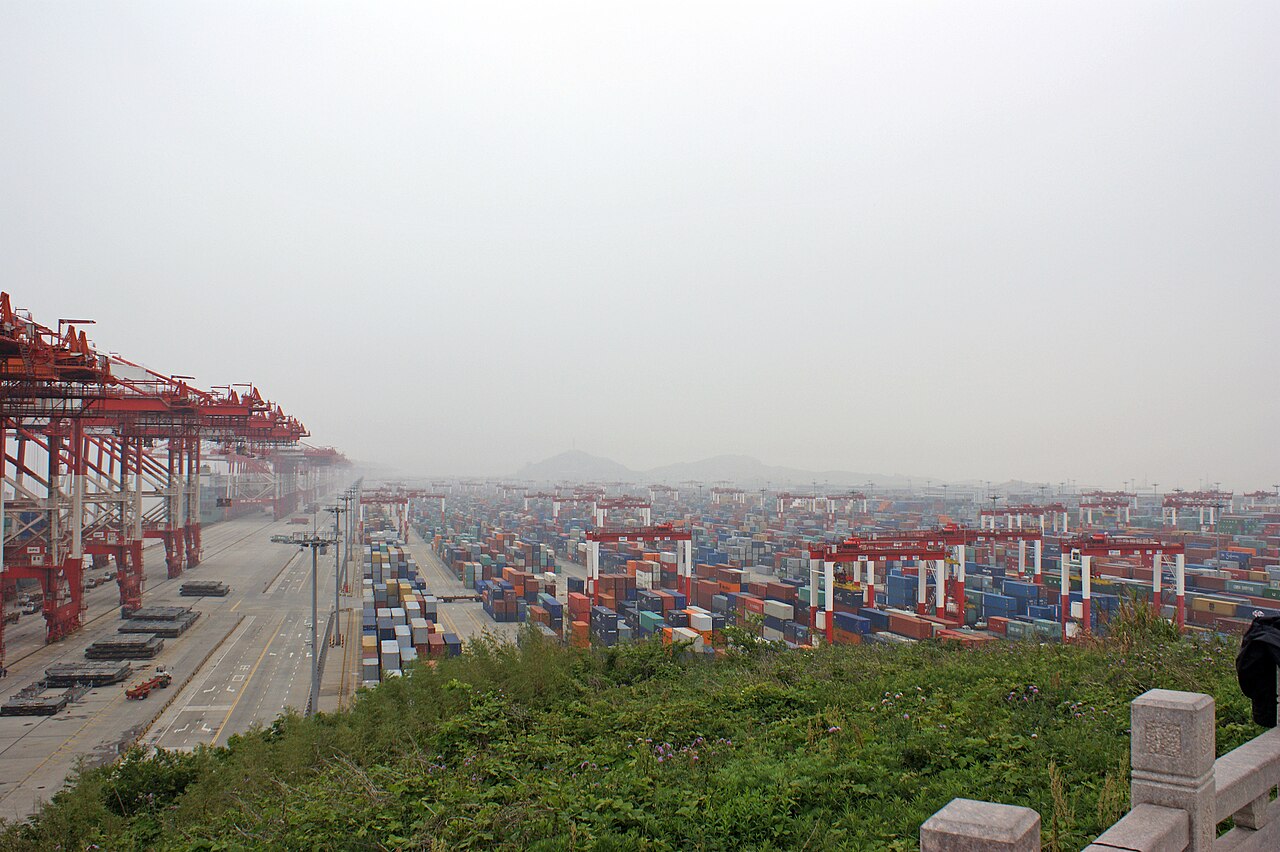
The US and China agreed to suspend trade investigations and tariffs following high-level talks, though experts warn core disputes remain unresolved.

Despite comprehensive sanctions, Russian oil continues flowing through a sophisticated Shadow Fleet — but open-source intelligence technologies offer potential enforcement solutions.
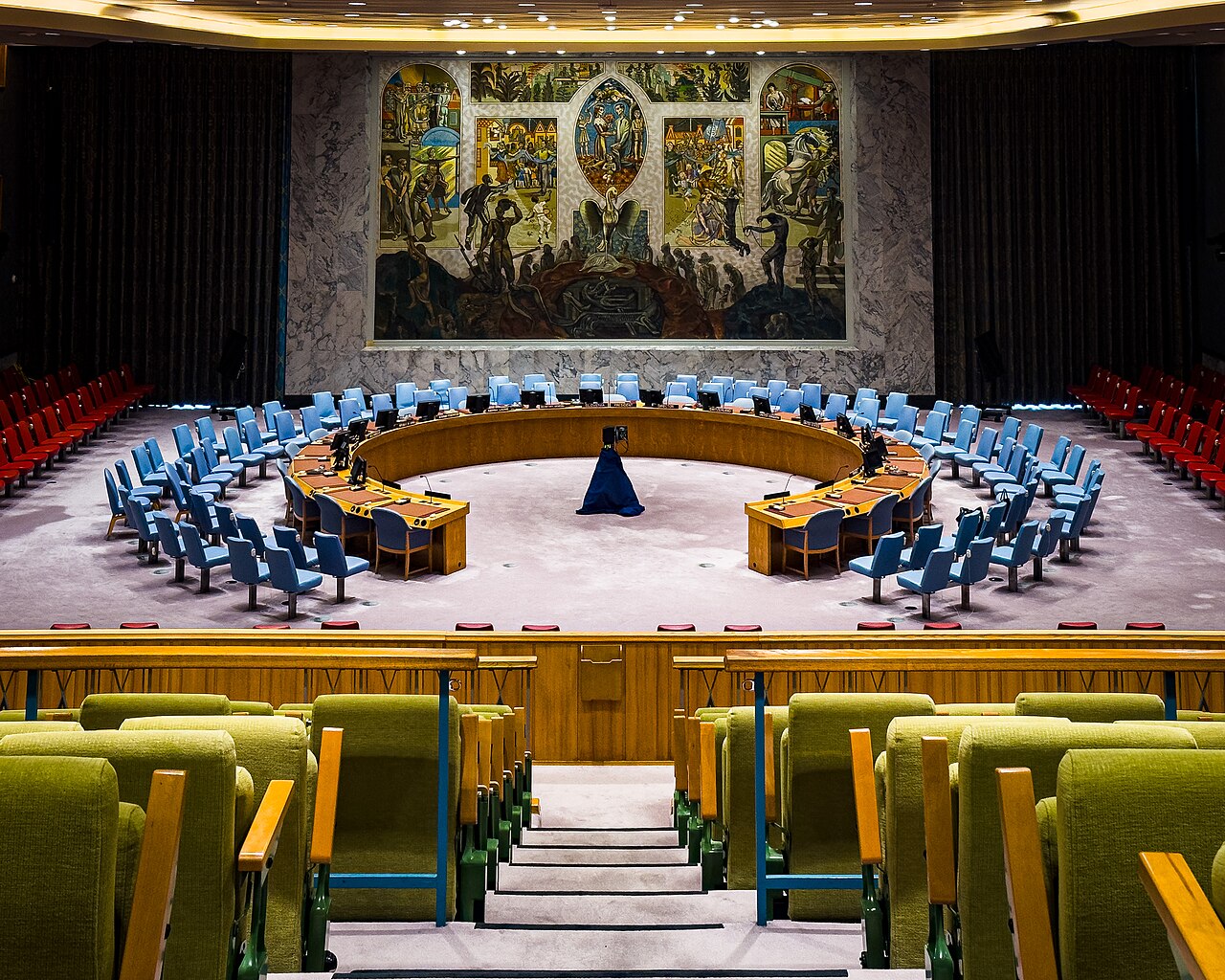
The UN Security Council's P5 and the G7 represent distinct but overlapping power structures, with the G7 increasingly driving strategy through economic tools.
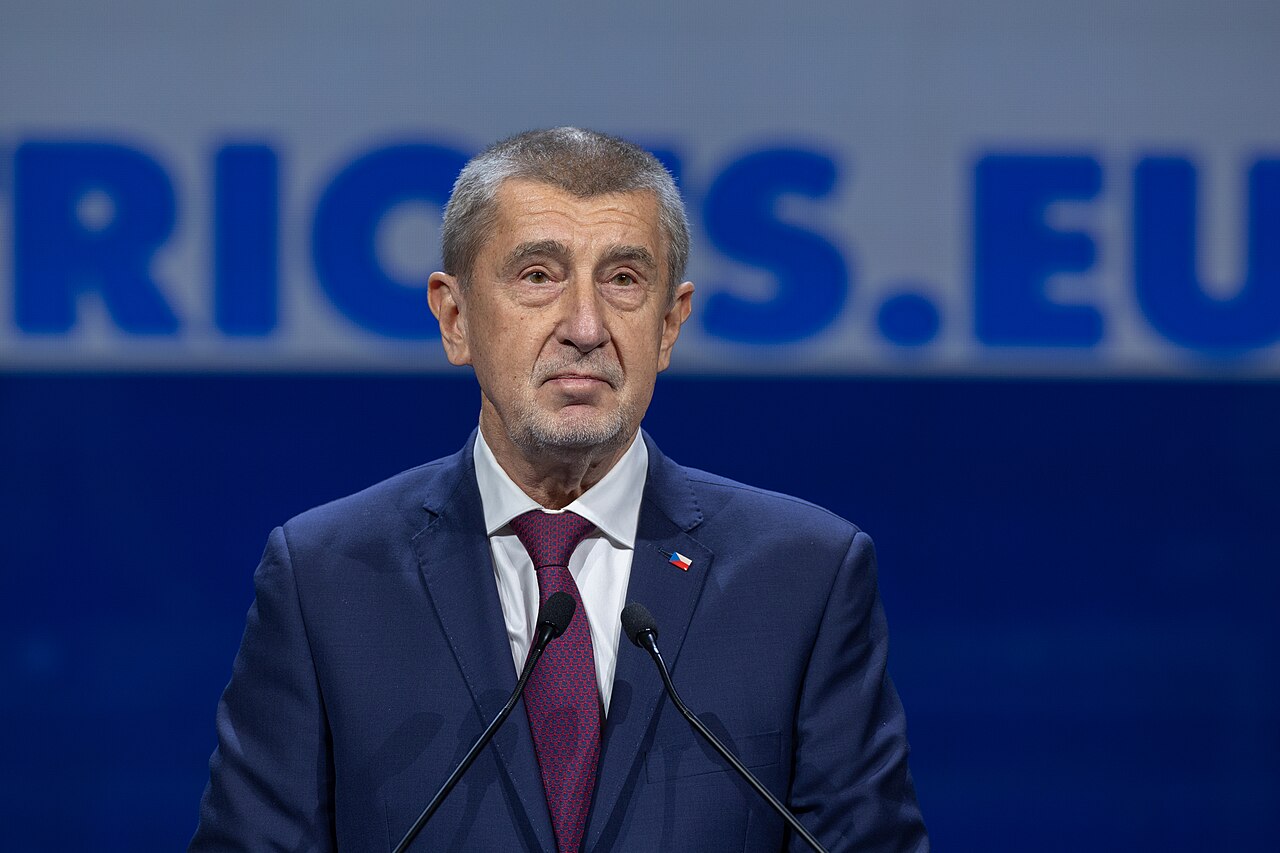
Andrej Babis's ANO party victory in the October 2025 Czech elections signals a broader European shift toward nationalist and populist politics.
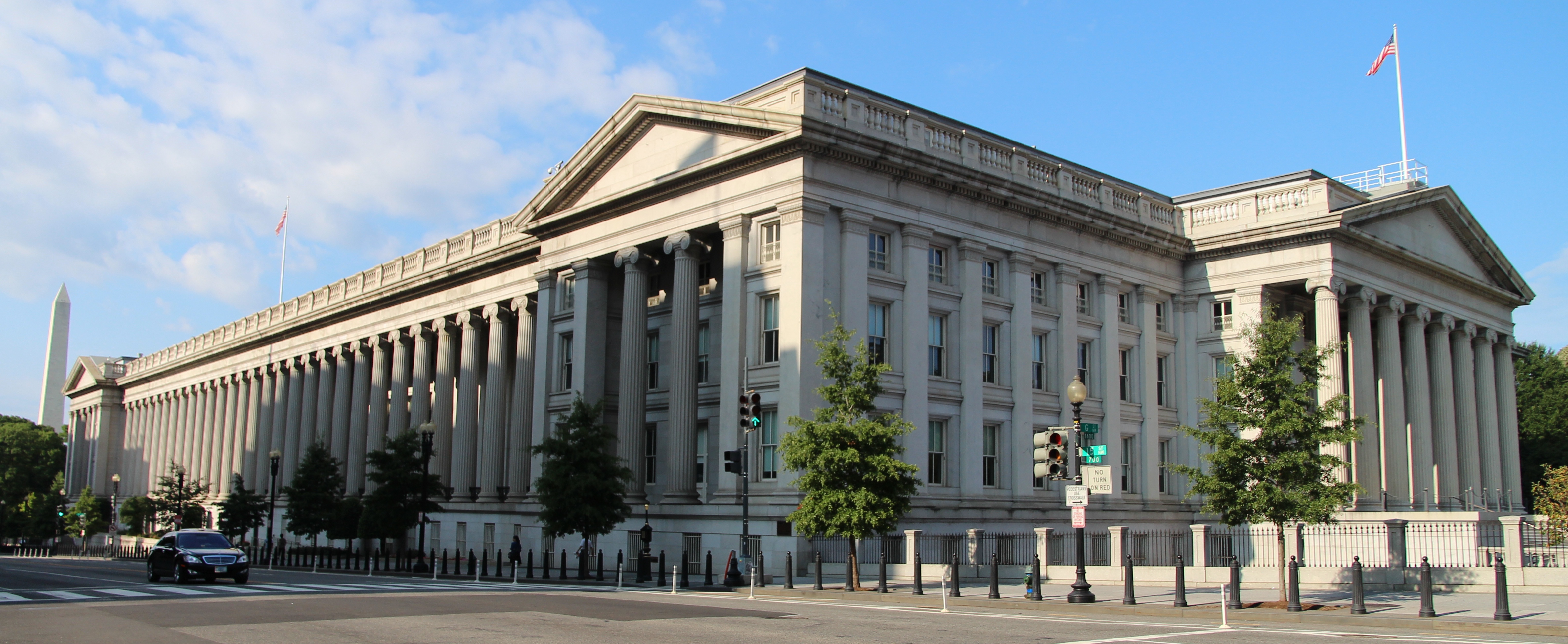
Georgetown heard from Steve Mnuchin and Jack Lew on America's fiscal challenges — and the significant ideological gulf between their proposed solutions.

Following Russian airspace incursions, EU leaders are proposing a network of sensors for drone detection as part of a broader Defense Readiness Roadmap.

The GU Politics Living Room hosted Tom Tugendhat for a discussion on populism's rise across Europe and whether it constitutes a threat to democracy.

The ICC convicted a former Janjaweed commander of 27 war crimes and crimes against humanity — the court's first conviction from a UN Security Council referral.
Student-run and non-partisan, On the Record makes political journalism accessible to students of all levels of experience and opinions across Georgetown.