
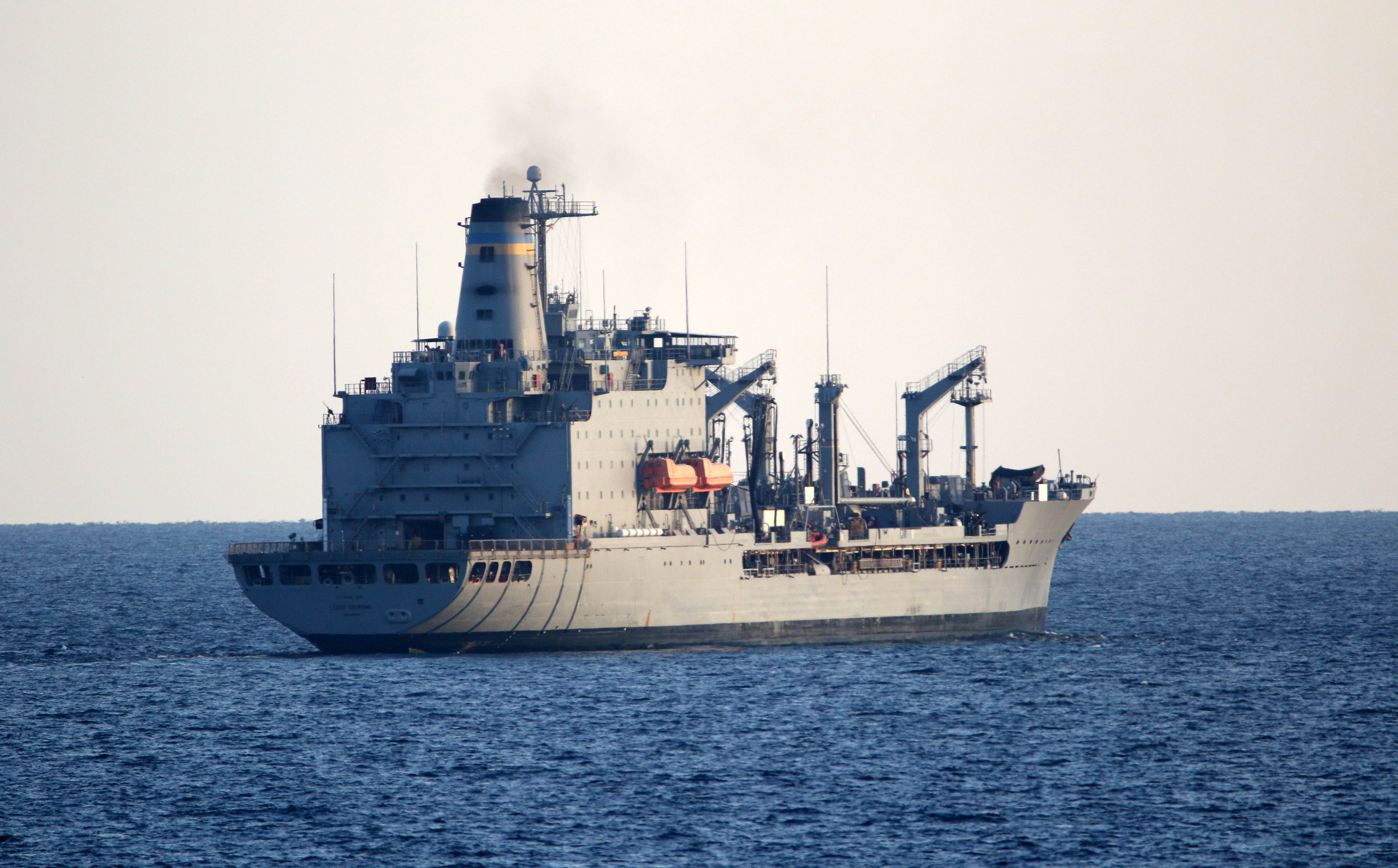
The Iran war has been characterized by rapid developments, with one persistent issue dominating coverage: control of the Strait of Hormuz. The United States is now blockading Iran's blockade, though its effectiveness remains uncertain.
The strait handles approximately 20% of global oil supplies and represents a critical economic chokepoint. When blocked, roughly 15 million barrels daily cannot pass through, significantly affecting oil prices. Following US and Israeli airstrikes in late February that killed Supreme Leader Ali Khamenei and targeted Iranian military sites, Iran closed the strait.
The US attempted various measures to reopen it, coming close during Pakistan negotiations before they collapsed. In early April, the US announced a blockade of Iran's coastline to economically pressure Iran into reopening the strait by reducing Iranian oil revenue. However, with both nations blocking access, the strait remains functionally closed for everyone—harming the US considerably more than Iran.
Oil prices have surged past $100 per barrel from $71 pre-war, straining global economies and US alliances. The Philippines declared a national emergency due to fuel shortages. This situation complicates Trump's planned May summit with Chinese leader Xi Jinping, who won't appreciate obstructed Chinese oil imports.
Logistically, Iran maintains its blockade easily while the US requires sustained military operations far from home. Trump's Cuba and Venezuela blockades succeeded but occurred much closer to American territory. The US military historically struggles in prolonged overseas conflicts.
The blockade's effectiveness is questionable. Cargo tracking groups estimate at least 34 Iranian oil tankers have slipped through since imposition, though US military sources deny this. Iran also trades oil overland in limited capacity.
Even if security improves, results will take longer than the Trump administration prefers. As long as Iran possesses mines, Shahed drones, missiles, and speedboats, it maintains control over shipping. The Pentagon estimates mine-clearing alone would require six months. With approximately 80,000 estimated kamikaze drones, Iran has substantial resources. However, the mere possibility of Iran's ship-sinking capabilities deters captains from navigating the strait.
Diplomatically, peace talks remain stalled. Trump announced April 25 that Jared Kushner and Steve Witkoff would not travel to Islamabad. Iran's Foreign Minister Abbas Araghchi left Islamabad uncertain about US commitment to negotiations following the blockade announcement. Pakistan's mediation efforts appear increasingly unsuccessful.
The Trump administration historically lacks patience for prolonged negotiations, while Iran can endure existential crises for extended periods. If both sides avoid the negotiating table and blockades continue, the US might eventually prevail—but at considerable cost.
Lucas Hayden is a freshman from St. Louis majoring in International Politics at the School of Foreign Service.