
Breaking from fifty years of bipartisan support for the Endangered Species Act (ESA), the Trump administration quietly gutted its core protection. The move rests on shaky legal ground, but the damage may be done by the time courts intervene.
A leaked Fish and Wildlife Service (FWS) memo dated September 14 exposed the Administration’s new reading of the ESA. Actions that accidentally result in the killing or injury of protected species will no longer be considered illegal. This is a monumental shift because most harm to endangered animals is not purposeful, but a byproduct of economic activity. The memo is based on a rule adopted in July, but applies to a broader range of regulations.
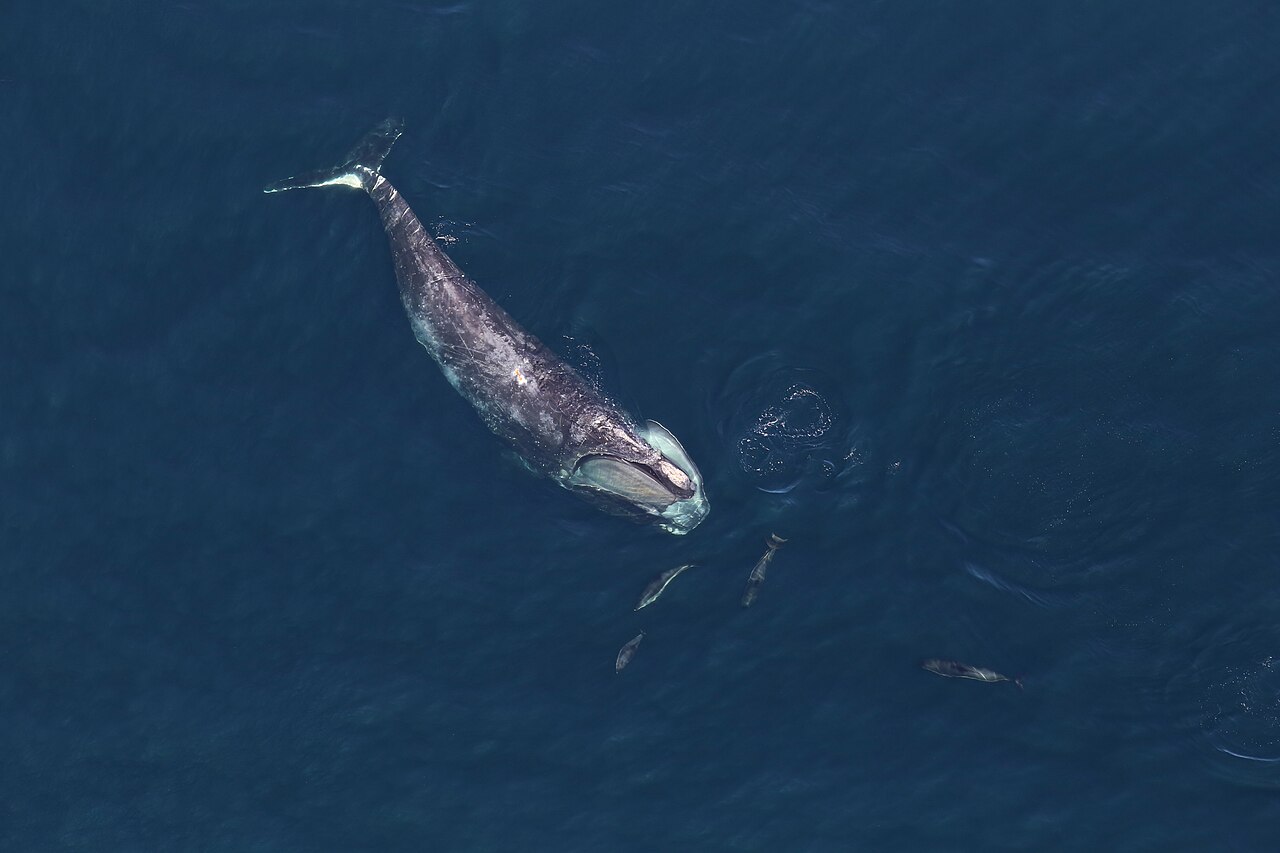
The change revolves around what it means to “take” an animal. The ESA prohibits the taking of protected species, broadly defining the word to mean “harass, harm, pursue, hunt, shoot, wound, kill, trap, capture, or collect.” Until now, FWS recognized the definition to be blind to intent. But the Administration’s new interpretation is limited to actions “intentionally and purposefully directed” at the animal. Under the new reading, “a vessel that inadvertently strikes a whale has not taken it, because the vessel’s course was not set against the whale.”
The interpretation effectively dismantles crucial safeguards against negligent harm, such as the Incidental Take Permit (ITP) system. ITPs offer protection to non-federal entities whose actions are likely to incidentally take protected species in exchange for proactive plans to minimize harm. The permits collapse without the threat of punishing unintentional take. A developer clearing land inhabited by grizzly bears, or an energy company placing lines through trees endangered birds roost in, no longer has an incentive to take preventative measures.
The new interpretation is based on Justice Antonin Scalia’s dissent in a 1995 Supreme Court case commonly referred to as Sweet Home. Scalia argued that FWS’s previous intent-blind interpretation of “take” went beyond the text of the ESA. The majority opinion upheld the exclusion of intent on multiple grounds. One reason was precedent known as Chevron deference — deference granted to federal agencies to interpret ambiguous statutes.
Thirty years later, the Court overturned Chevron deference and reclaimed the power to interpret Congress’s language. The Administration used the decision to justify its position. It argued that the Sweet Home majority should be overturned because it now rests on deference that the FWS (as a federal agency) is not entitled to. With Sweet Home overturned, the Administration deemed itself within the bounds of the law to adopt the dissenting opinion.
This legal reasoning has several holes. First, in putting forth the new interpretation, the Administration falls victim to its own argument. Its justification rests on FWS’s lack of authority to interpret the language of the ESA. Yet, the memo does just that. If the Sweet Home majority ruling were overturned because of its deference to FWS, the memo would have to be struck down on the same grounds.
Second, even if Sweet Home were overturned, there is no legal reason the ESA’s interpretation would settle to the dissent. Binding precedent requires a majority of the Court, which a dissent is inherently not. What’s more, it is unlikely Sweet Home would be overturned because it does not rely solely on Chevron deference.
The final hole in the Administration’s justification is that the Court in Sweet Home rejected the Administration's exact reading based on the text of the ESA itself. It held:
Under [Justice Scalia’s] interpretation of the Act, a developer could drain a pond, knowing that the act would extinguish an endangered species of turtles, without even proposing a conservation plan or applying for a permit... unless the developer was motivated by a desire 'to get at a turtle,' no statutory taking could occur… We cannot accept that limitation.
In throwing out Scalia’s interpretation without reliance on Chevron deference, the Court’s rejection of the Administration’s position indisputably remains good law.
Still, it may take months, if not years, for courts to throw out the new interpretation. In addition to the traditional obstacles to fast action in the judicial system, challenges arise from the way the change was implemented. The internal memo itself is not a final decision by the agency and does not directly impact anyone’s rights. As such, it does not qualify for what is known as “final agency action” and cannot be challenged on its own.
What’s more, decisions not to prosecute actions that would have violated the old interpretation do not create standing to sue based on principles of prosecutorial discretion. So while suits have been filed against the July rule, some even addressing the new definition of “take,” it will prove difficult to challenge the memo itself.
In the time it takes for a challenge to be filed, litigated, and eventually decided, individuals who kill endangered species will be out of reach of federal regulations, so long as it was not their intent. But an endangered whale struck by a ship makes no distinction of intent; why should the law?
 Quinn Drennan is a sophomore from Falls Church, VA, studying Government and Economics in the College of Arts & Sciences.