
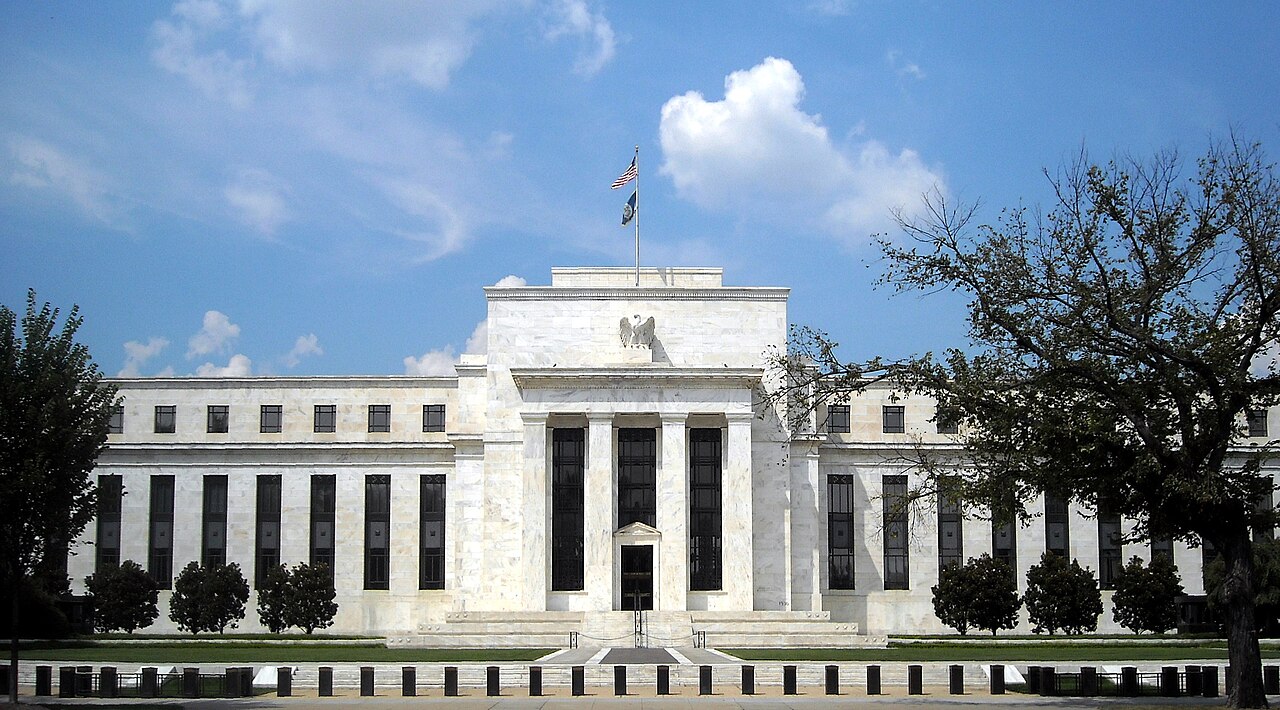
"The plain fact is that inflation is too high," Federal Reserve Chair Kevin Warsh said Sept. 16 after the Fed raised rates for the first time since 2023. While Warsh is correct that inflation remains high, the more pertinent question facing the Fed when it meets again Dec. 8-9 is whether this inflation, driven by the war in Iran, can be solved by raising interest rates. Because it cannot, the Fed should continue to hold rates steady and look through energy prices so long as core inflation and market expectations stay contained.
The answer lies in what type of inflation the Fed is fighting, and right now signs point to energy. Since the United States and Israel struck Iran on Feb. 28, Brent crude has risen from $71 a barrel to as high as $138 in April, while gasoline has climbed from $2.94 to $4.22 a gallon.
Consumer prices have risen 3.7% from September 2025 to September 2026, up from 2.4% in February, while core inflation, which excludes food and energy, rose only from 2.5% to 2.6%. The Fed's preferred inflation gauge follows the same trend: its core measure was 3.1% in September, the same as in January, before the war began. Fed Vice Chair Philip Jefferson acknowledged this pattern Oct. 1 when he listed energy prices as "the predominant factor driving the recent pickup in headline inflation."
Borrowing costs have risen alongside the Fed's rate increase: the 10-year Treasury yield, which guides mortgages and corporate rates, closed at 5.31% on Oct. 5, its highest level since 2002. Meanwhile, the Federal Reserve Board estimated the term premium, the additional return investors demand to hold long-term U.S. debt, has reached its highest level since 2010, a sign of weakening investor confidence in Treasurys. The average 30-year mortgage rate has risen from 5.98% in late February to 7.40% in mid-October. Simultaneously, the national debt has ballooned to over $40 trillion.
Rather than being a purely economic argument, the case for raising rates depends on credibility. Inflation has been above the Fed's 2% long-run target for more than five years. Consumers surveyed by the University of Michigan predict prices will rise 4.7% over the next year.
Yet employers added just 29,000 jobs in September after the two prior months were revised down by 60,000. Though the Fed held rates steady Oct. 28, two officials dissented in favor of another increase, and futures markets are now pricing in about an 80% chance for a rate hike in December.
Central banks have experience in this type of situation. On July 3, 2008, the European Central Bank hiked rates to 4.25%. Despite core inflation below 2%, headline inflation had reached 4%. A few months later, Lehman Brothers collapsed, and the financial crisis was underway, forcing the bank to slash rates.
In a 2009 study, economist James Hamilton found that the 2007-08 oil shock was a major factor in turning an economic slowdown into a full U.S. recession. Both cases suggest that tightening policy into an oil shock can deepen the damage.
So far, long-term market expectations have stayed contained: the 10-year breakeven rate, the bond market's forecast of inflation, has moved only from 2.30% to 2.35% since February.
Congress can provide a more lasting solution. As of early October, it has yet to act on the White House's request for $67.1 billion in additional Pentagon funding. Lawmakers should prioritize the reopening of the Strait of Hormuz, tying the funds to a ceasefire.
If lawmakers fail to act, the impact could be catastrophic: the White House paused strikes in the strait ahead of the Nov. 3 midterm elections, suggesting an escalation could follow. Congress needs to ensure stability while allowing the term premium to fall by pairing peace-based policy stances with a credible plan to narrow the deficit.
Higher interest rates can solve some economic problems, but they cannot solve an energy crisis. If the Fed keeps raising rates to fight a war it cannot control, those rates will start to hurt everyday Americans while failing to solve the underlying problem: energy-driven inflation.
Ian Dawn is a sophomore staff writer for On The Record from Acton, MA, earning a joint degree in Business and Global Affairs from the School of Foreign Service and the School of Business.