
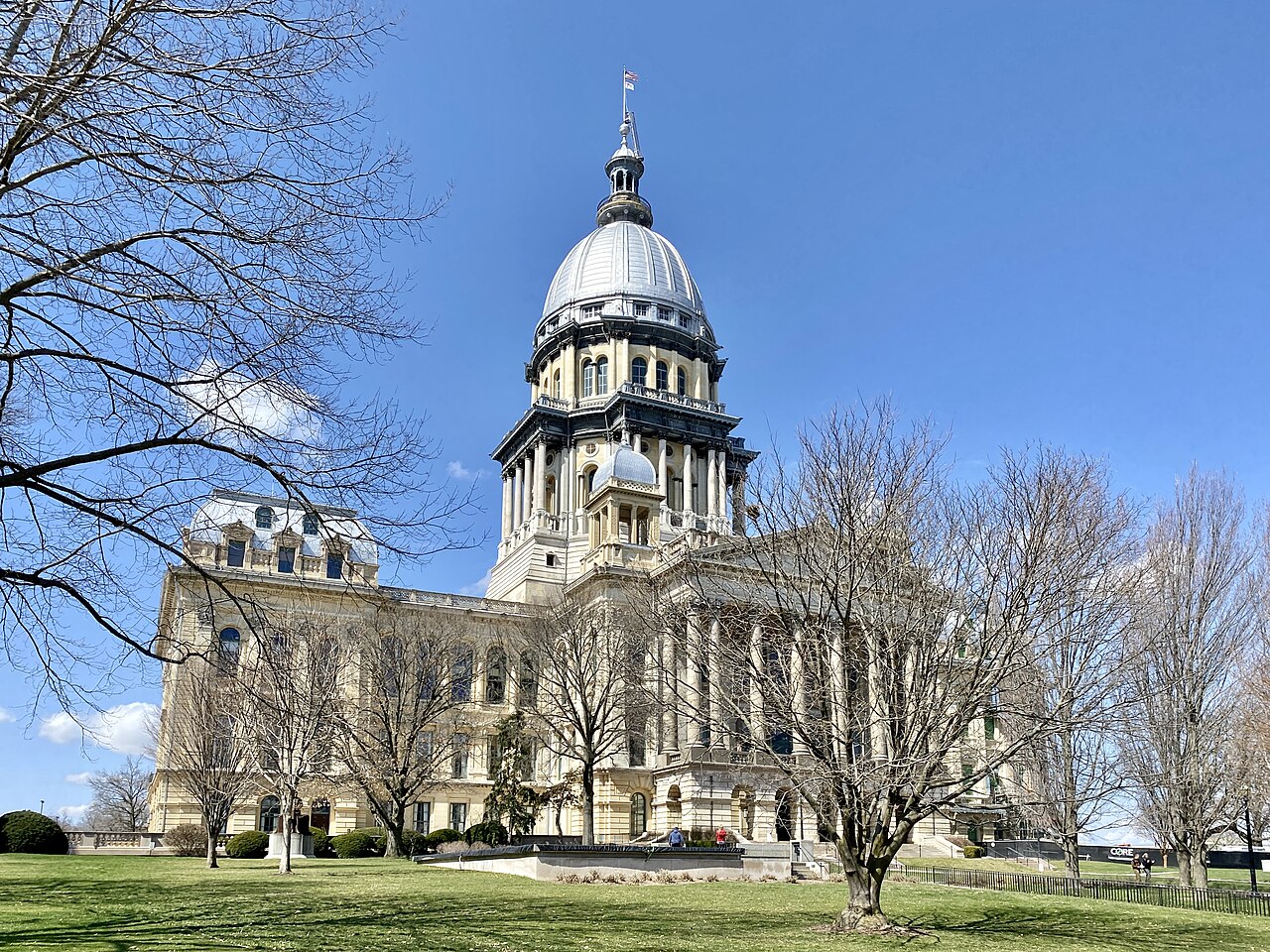
The March 17 Illinois primary elections reflected competing influences—past political figures and future directions—while exposing ideological rifts within the Democratic Party. Voters selected candidates across local, state, and federal positions, including U.S. Senate, House, governor, and legislature seats. Cook County, Illinois's most densely populated region, significantly influenced both Democratic and Republican contests. Turnout exceeded 1.1 million votes in the Senate primary, though it remained below 2018 levels, suggesting sustained but not record-breaking civic participation.
The most significant contest involved replacing retiring Senator Dick Durbin's seat. Lt. Governor Juliana Stratton, endorsed by Governor JB Pritzker, won the Democratic nomination with 40.2%, ahead of Representative Raja Krishnamoorthi at 33.1%. Stratton's campaign featured aggressive anti-Trump messaging, reflecting Democratic frustration with the current administration. Republican Don Tracy prevailed with 39.9% over Attorney Jeannie Evans.
Democratic vacancies in the House attracted numerous candidates. Moderate Democrat Melissa Bean successfully staged a political comeback by defeating progressive candidate Junaif Amhed, suggesting voters may favor less ideologically extreme candidates post-2024. Governor Pritzker ran unopposed for Democratic renomination while building a national profile amid 2028 presidential speculation. Republican Darren Bailey secured 53.5% in the gubernatorial race.
Illinois's strong Democratic lean provides advantages in November, though ideological tensions and generational conflicts persist, leaving outcomes uncertain despite likely Democratic victories.
Jaylen Peng is an Elections and Politics Staff Writer for On the Record, a first-year student studying government and economics in the College.