
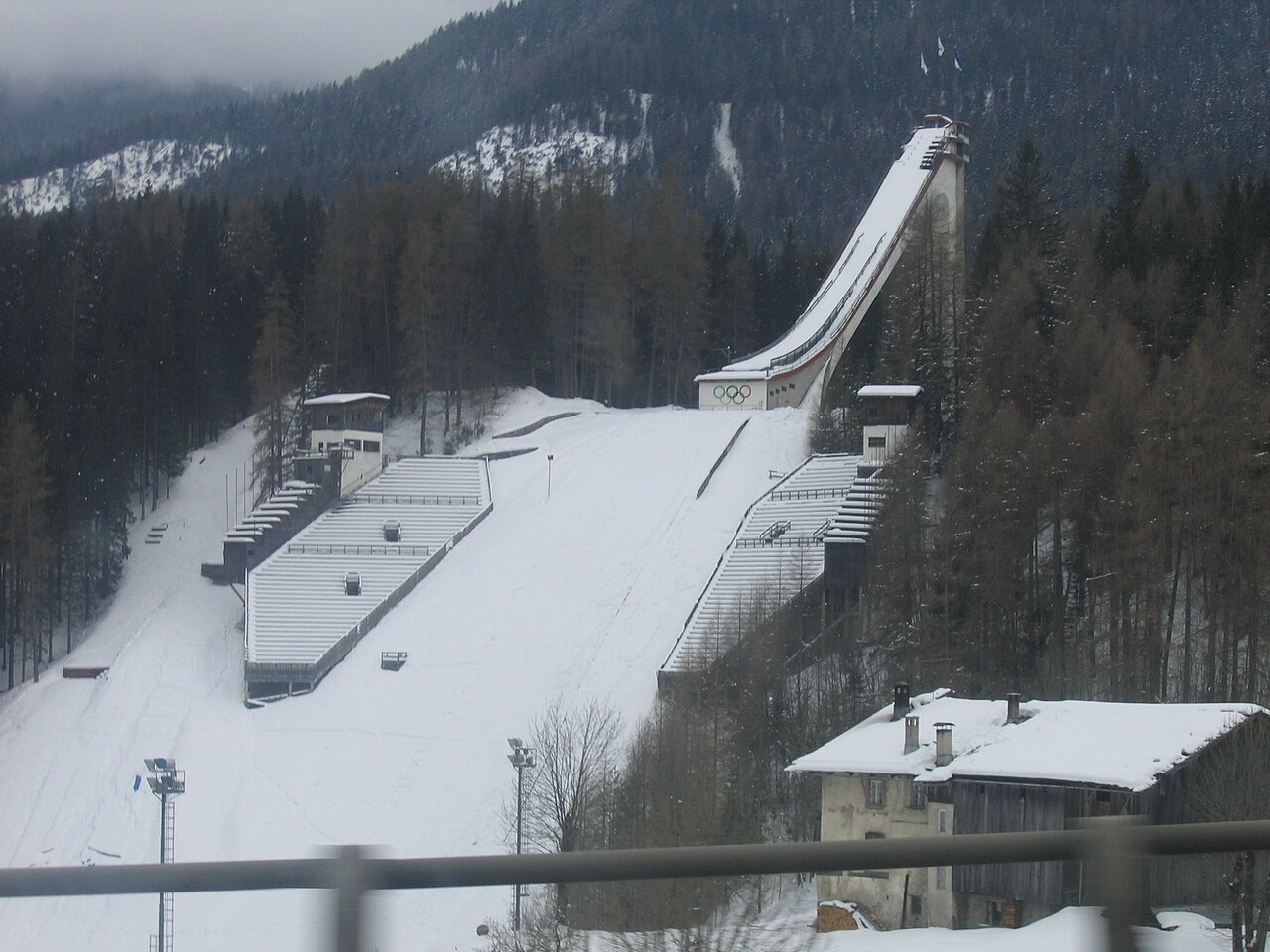
While the International Olympic Committee emphasizes that “there is more that unites us than divides us,” the recent Milano Cortina 2026 Games demonstrated that the Olympic platform inevitably becomes political.
The article traces political activism at the Olympics back to 1906, when athlete Peter O'Connor protested being listed as British by climbing the Olympic flagpole with an Irish flag. Subsequent Games hosted political tensions, from the 1936 Berlin Olympics under Nazi rule to Cold War rivalries and Civil Rights demonstrations.
To combat protests, the IOC adopted Rule 50 in 1975, prohibiting “demonstration or political, religious or racial propaganda” at Olympic sites. However, the rule cannot prevent politics from surfacing given global attention and contemporary tensions.
At Milano Cortina 2026, Vice President J.D. Vance faced boos at the opening ceremony, while Israeli athletes received negative receptions. Meanwhile, American athletes were warmly received, reflecting divisions over current policies.
Freestyle skier Eileen Gu's decision to represent China rather than the United States sparked debate about national representation and prompted criticism tinged with anti-Asian sentiment.
Russian and Belarusian athletes competed as neutral individuals, acknowledging ongoing Ukraine conflict tensions while demonstrating the IOC's selective political stances.
The IOC benefits from claiming neutrality while taking inconsistent positions on international conflicts, making true political neutrality impossible.
Jaylen Peng is an Elections and Politics Staff Writer for On the Record. He is a first-year studying government and economics in the College.