
The United States and China have agreed to suspend a series of trade investigations and tariffs, signalling a fragile thaw in relations after years of escalating economic tension. The move follows high-level talks between President Donald Trump and Chinese President Xi Jinping in Busan, South Korea, on Oct. 30, which marked their first face-to-face meeting in six years.
The talks resulted in a one-year suspension of mutual shipping probes, as well as China's decision to pause new export controls on rare earth minerals critical to global manufacturing. The Biden-era tariffs that the Trump administration had expanded earlier this year will be partially reduced, with Washington lowering certain import duties on Chinese goods from 57 percent to 47 percent.
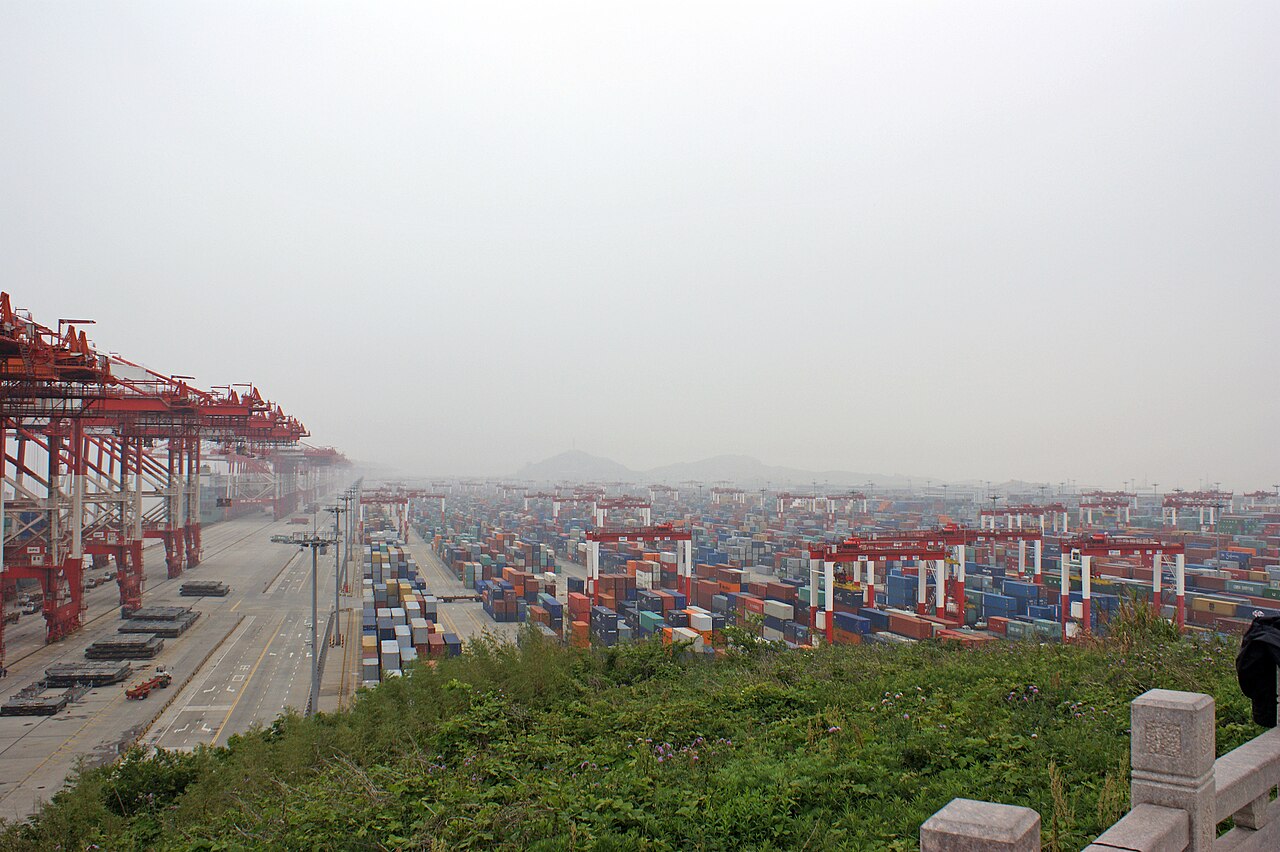
Both governments framed the announcement as a confidence-building measure rather than a breakthrough. The Office of the US Trade Representative confirmed on Nov. 10 that Washington would suspend its Section 301 investigation into China's shipbuilding and maritime sectors for one year. In return, Beijing said it would halt special port fees on US-operated vessels and lift restrictions on US subsidiaries of foreign shipbuilders, including South Korea's Hanwha Ocean Co.
These steps come amid growing pressure on both economies. The US has faced steep import costs tied to ongoing tariffs, while China's export sector has struggled with slower global demand. Analysts say the temporary suspension gives both sides a window to stabilise key industries before the 2026 American presidential election and China's next economic planning cycle.
China also agreed to resume major purchases of US soybeans, offering relief to American farmers hurt by years of retaliatory tariffs. In exchange, the Trump administration softened duties on a range of Chinese consumer goods and reaffirmed a commitment to bilateral discussions on fentanyl precursor exports—a growing political issue in Washington.
Still, experts caution that the agreement is limited in scope. Technology transfers, state subsidies and national security restrictions remain unresolved. The US continues to enforce semiconductor export controls, and Chinese firms remain restricted from acquiring advanced US chip technology.
For both leaders, the optics of progress may be as important as the policy details. Trump has emphasised his ability to negotiate with China in what he deems an “amazing” meeting, while Xi has faced domestic criticism over slowing growth and the impact of American sanctions on Chinese technology firms.
Whether the détente holds will depend on next year's negotiations. If talks falter, tariffs and export restrictions could quickly return. For now, the maritime suspension and rare earth reprieve have given both economies a narrow window to ease tensions; and the rest of the world a brief sigh of relief.
Kavya Gulati is a staff writer for On The Record based in London, UK, and a freshman in the School of Foreign Service studying International Politics.